Stories

What was different when they went home.

Five program accounts. Names of institutions are withheld. The work is the part we are willing to describe: the question, the week, and what the home team actually ran afterward.

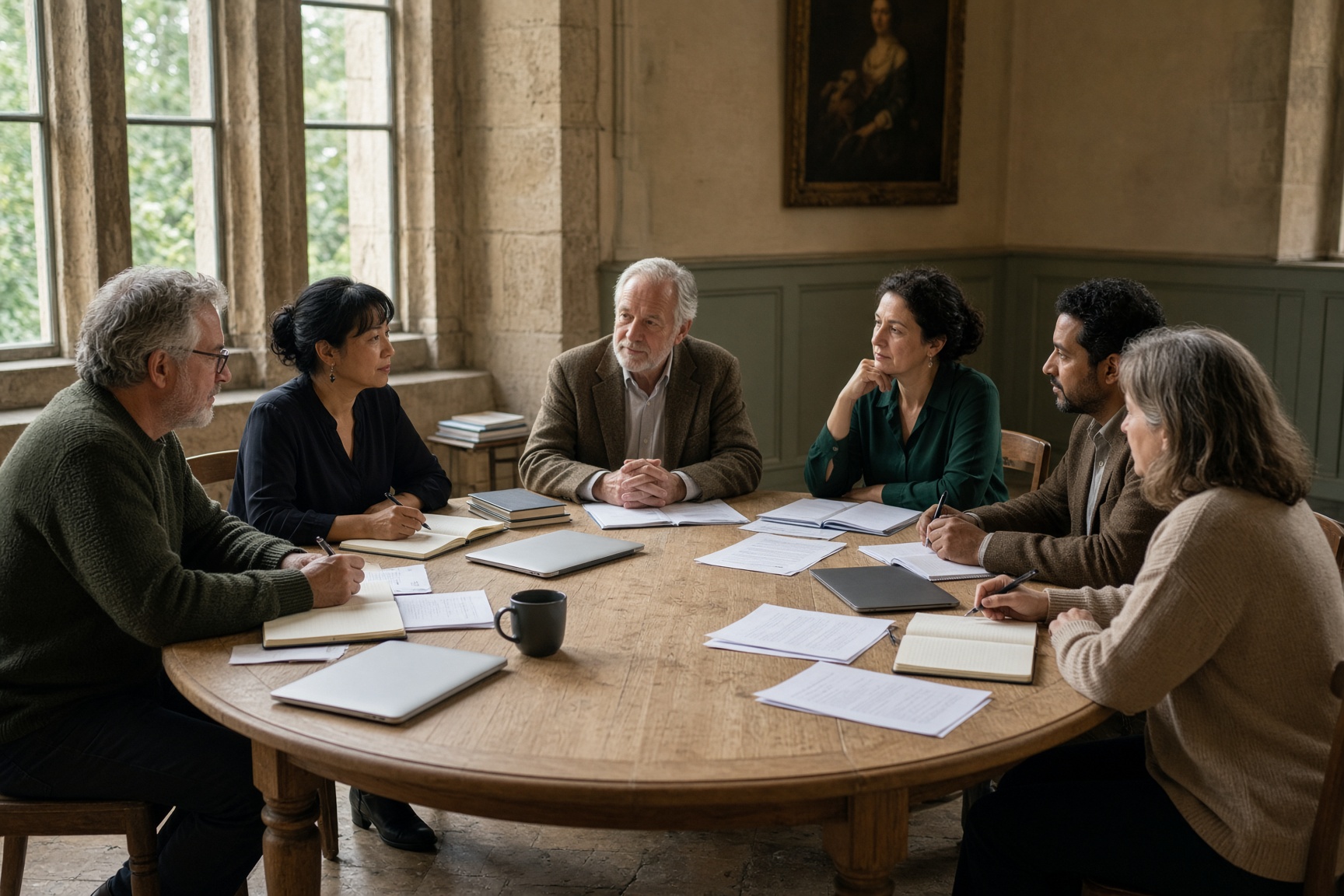
Scholars in discussion around a round oak table

Exchange · A teacher college on the Pacific coast

The seminar notes became a course.

Six faculty came to watch how a Bay Area college runs a methods seminar. They left with a module their own students now take.

The brief was narrow: first-year teachers were observing classrooms but not writing anything their mentors could use. The host week put the visitors inside two seminars, not a tour of the campus. Each afternoon they rewrote one observation prompt with the faculty who taught it. Ninety days later the college was running the prompt in its own methods course, and the Bay Area hosts had adopted one of the visitors’ questions about rural placements.

What changed. A shared observation prompt, taught on both sides of the exchange.

Host week, then a return term
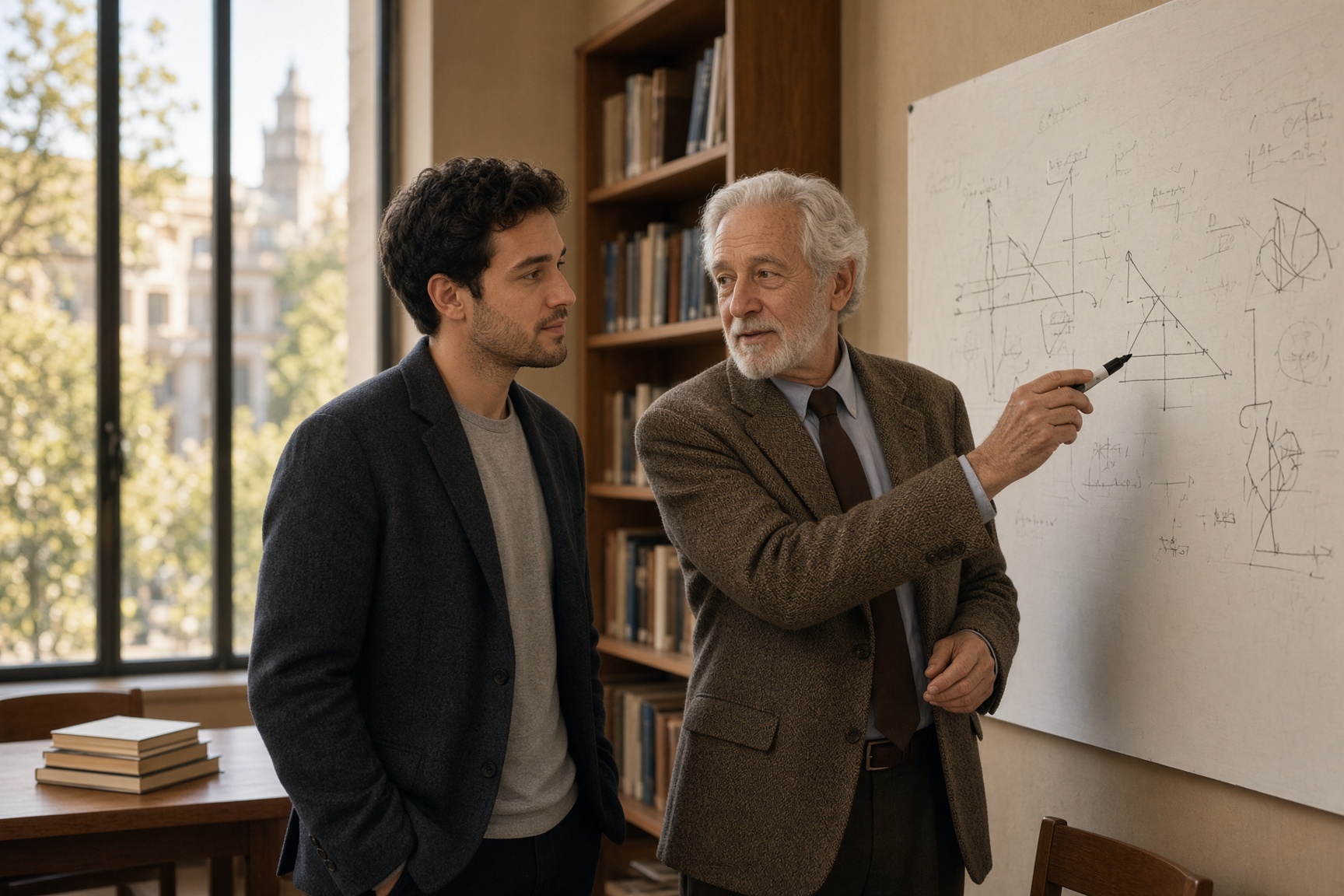
A professor and a younger scholar beside a whiteboard in a library alcove

Visits · A provincial education bureau

The bureau stopped collecting tours.

Twelve officers had visited three countries and come home with photographs. This time the question was written before the tickets.

They needed a way to judge vocational programs that was fair to schools outside the capital. The week was built around that: a morning in a lab, a working session on rubrics, a debrief before dinner. No banquet. On the last morning the cohort drafted a one-page review their inspectors could carry. The bureau now uses that page for new program approvals, and the next delegation is smaller — inspectors, not a courtesy list.

What changed. One review page, used by inspectors after they returned.

Eight days in the Bay Area

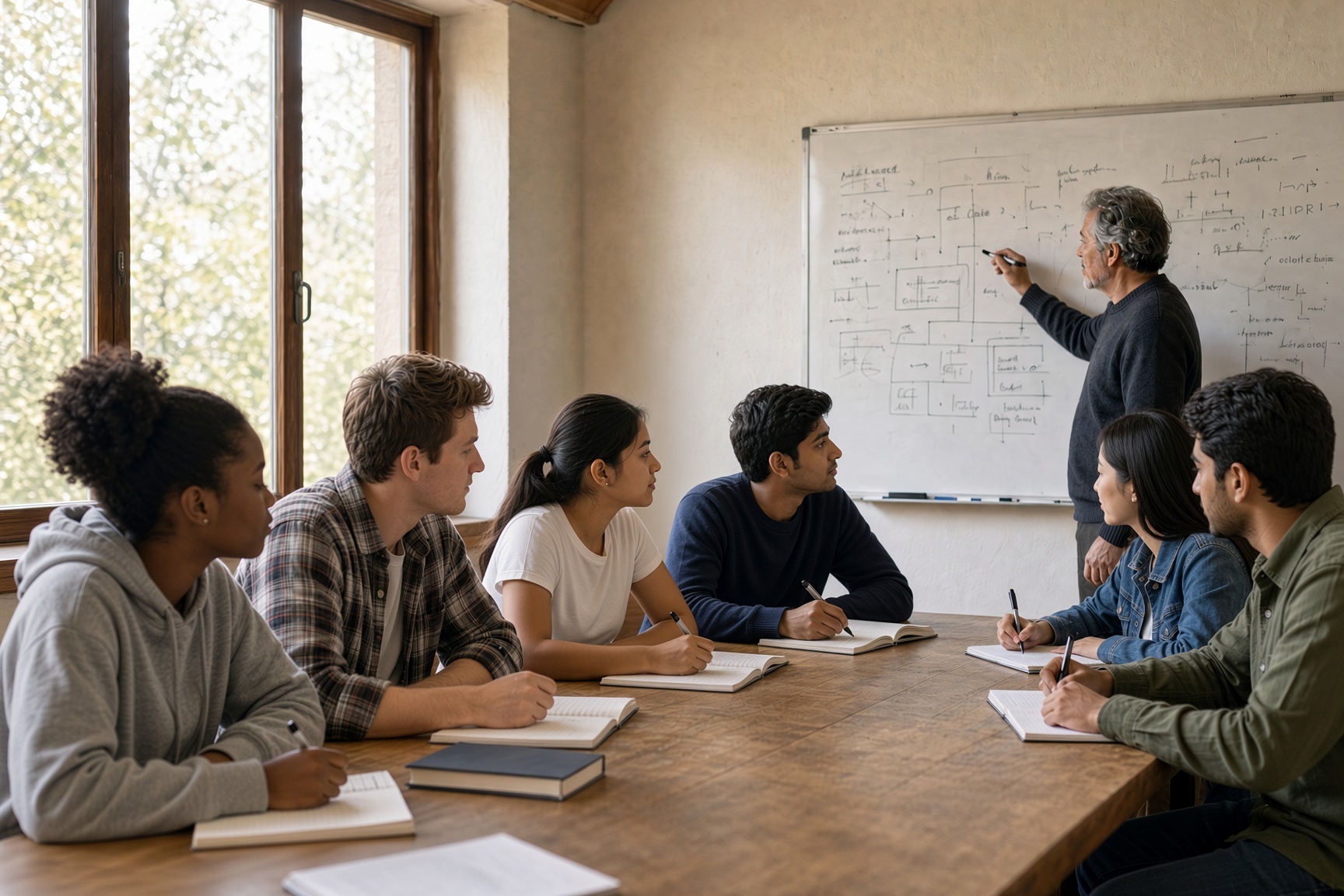
College students facing a professor who is teaching at the whiteboard

Students · A college sending students to a U.S. university

They sat in the class, then taught it back.

The students were not on a campus tour. They sat in a professor’s own course, then spent the afternoon saying what they would do with it.

Earlier visits had ended in photographs. This one put the cohort inside a class already on the syllabus: mornings with the professor teaching, afternoons in a seminar where each student had to name one thing their home college should change. The stay lasted as long as that course. When they flew home, three of them led the same seminar for classmates who had not traveled. The professor kept one of their questions on the next syllabus.

What changed. A seminar the travelers now teach at their own college.

The length of one course

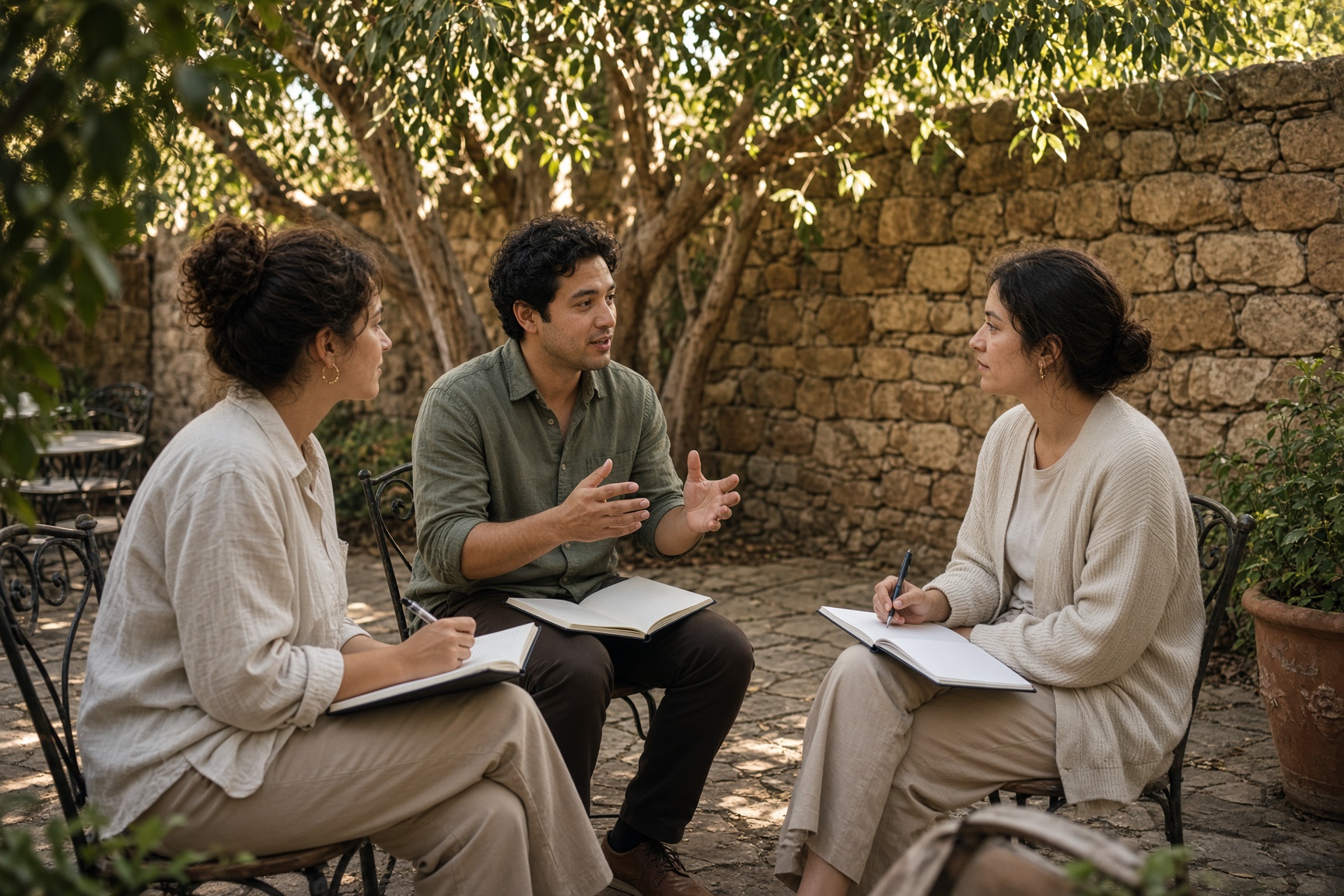
Early-career educators talking on a shaded campus terrace

Talent · Early-career educators, three institutions

The junior seats did the presenting.

Senior guests usually keep the microphone. This residency gave the younger educators a project and the last afternoon.

Eight early-career teachers traveled with their deans, but they were not staff. Each had a mentor and a question from their own campus: how a new teacher gets a second look at a lesson that failed. They tried the question in a host classroom, then presented what they would change at home. Three of them now lead the follow-up circle. The deans still came. They were not the only people who remembered the week.

What changed. A mentoring circle that continued after the senior guests flew home.

A short residency inside a senior visit

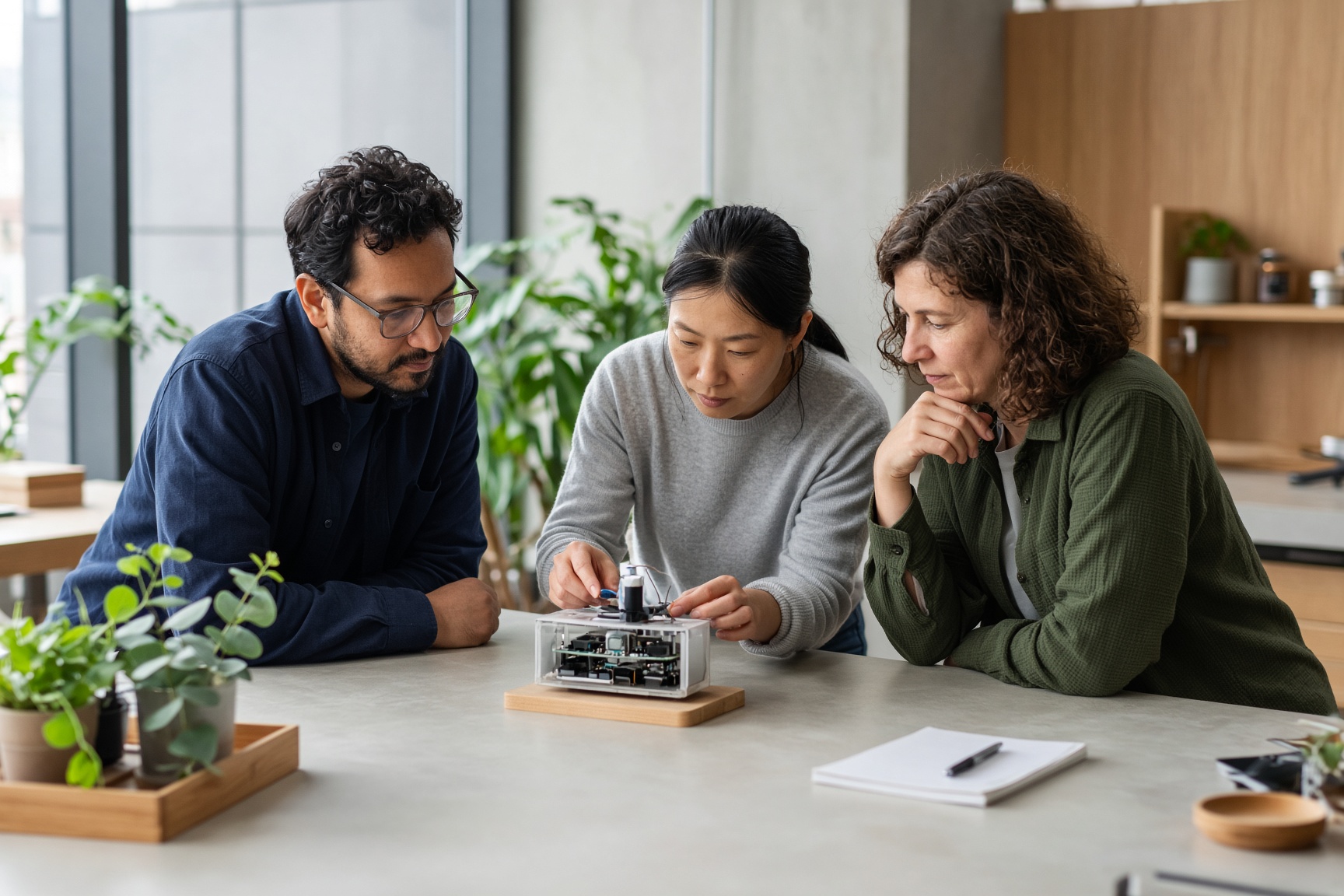
An education studio bench with a learning prototype under review

Innovation · Two schools in one district

The prototype fit in a teacher’s pocket.

The district did not need another platform. Teachers needed a way to see, in one week, which students had stalled.

The studio kept administrators in the room and teachers at the bench. The first idea was a dashboard. Teachers rejected it on day two. What shipped was a paper-and-phone check a department could run on Friday without a login. Two schools piloted it the next term. One kept it. The other wrote down why it failed in a large department — which was the useful half of the brief.

What changed. A Friday check two schools could run without a new system.

A two-week studio

Bring a question, not a wish list.

If one of these is close to the problem you already own, start with a short note.

Start an inquiry