Palo Alto · Global education
Exchange that moves people, not just ideas.
Silicon Valley Innovation & Development designs scholar visits, talent pathways, and education programs that connect universities, public institutions, and companies across borders.
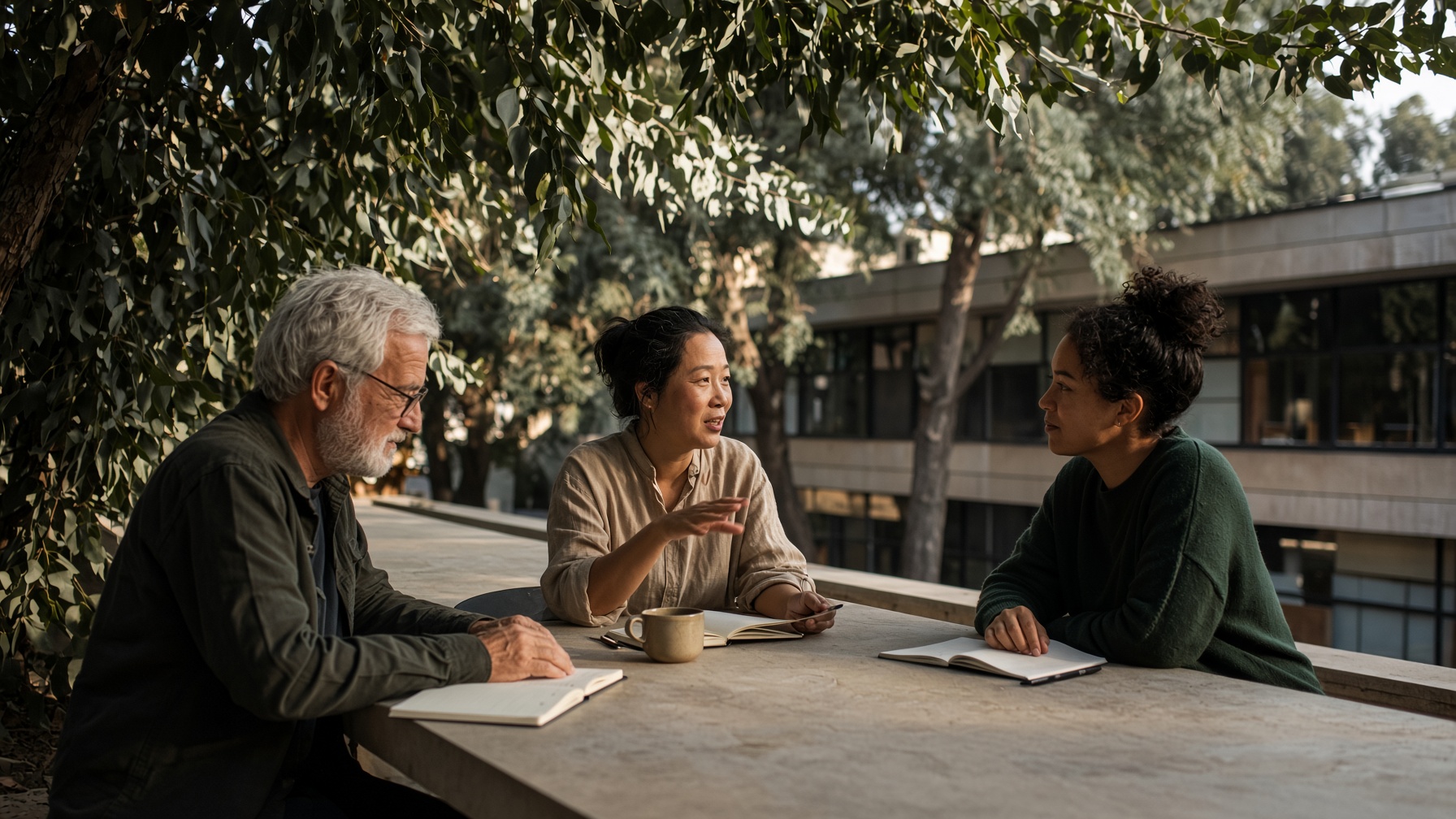
Designed with the home institution
The visit serves a problem you already own.
Scholars, not spectators
Classrooms, labs, and working sessions — not a sightseeing loop.
A brief you can use
Every program ends with a written plan, not a slide deck souvenir.
What we do
Four practices, one practice.
Exchange, visits, talent, and innovation are usually split across vendors. We keep them in one office so a scholar’s week and a program’s next year are designed together.
Educational exchange
Reciprocal placements between universities, school systems, and institutes.
ReadScholar visits
Hosted weeks for faculty, administrators, and public-sector education leaders.
ReadTalent development
Residencies and mentoring for people who will run the work at home.
ReadEducation innovation
Studios that turn a teaching problem into a prototype the home team can run.
Read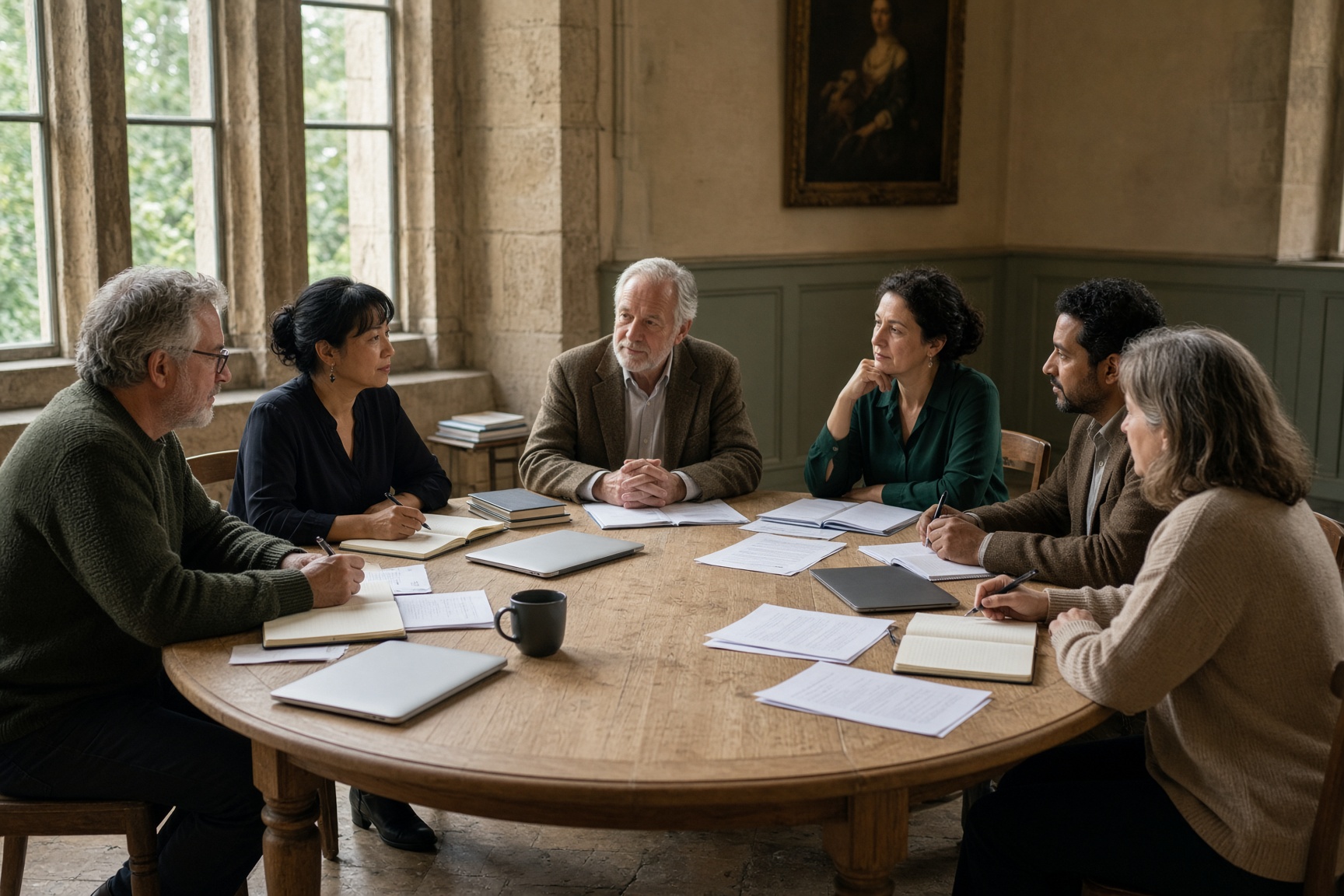
01 · Exchange
Global educational exchange, built as a relationship.
We arrange reciprocal time between institutions: classroom observation, co-taught modules, and curriculum conversations that survive the flight home. A visiting cohort is matched with hosts who have agreed to a specific question — assessment, teacher preparation, vocational pathways, or research training — rather than a menu of famous buildings.
- Partner brief written before anyone books a ticket
- Classroom and lab time, with a host who expects you
- Joint teaching notes the home faculty can reuse
02 · Scholar visits
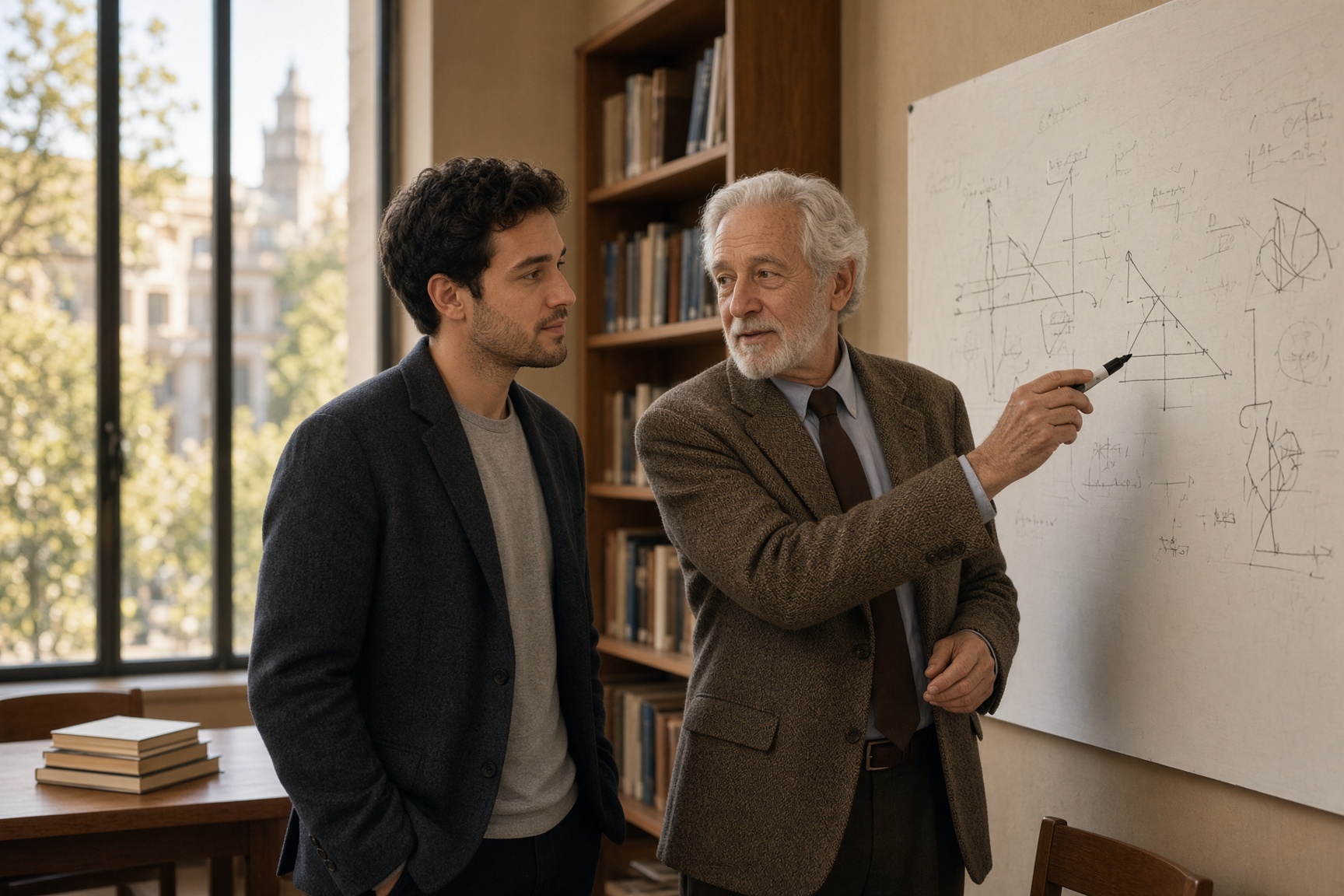
A hosted week with a point of view.
Scholar visits are for faculty, deans, ministry officers, and program leads who need to see how a practice actually works — then argue with it. Days are short on ceremony and long on working sessions: a lab in the morning, a debrief before dinner, a written question carried into the next room.
- Cohorts of six to fourteen, not a bus
- Prep packet and a named question for each session
- Logistics, lodging guidance, and a single point of contact
Student visits
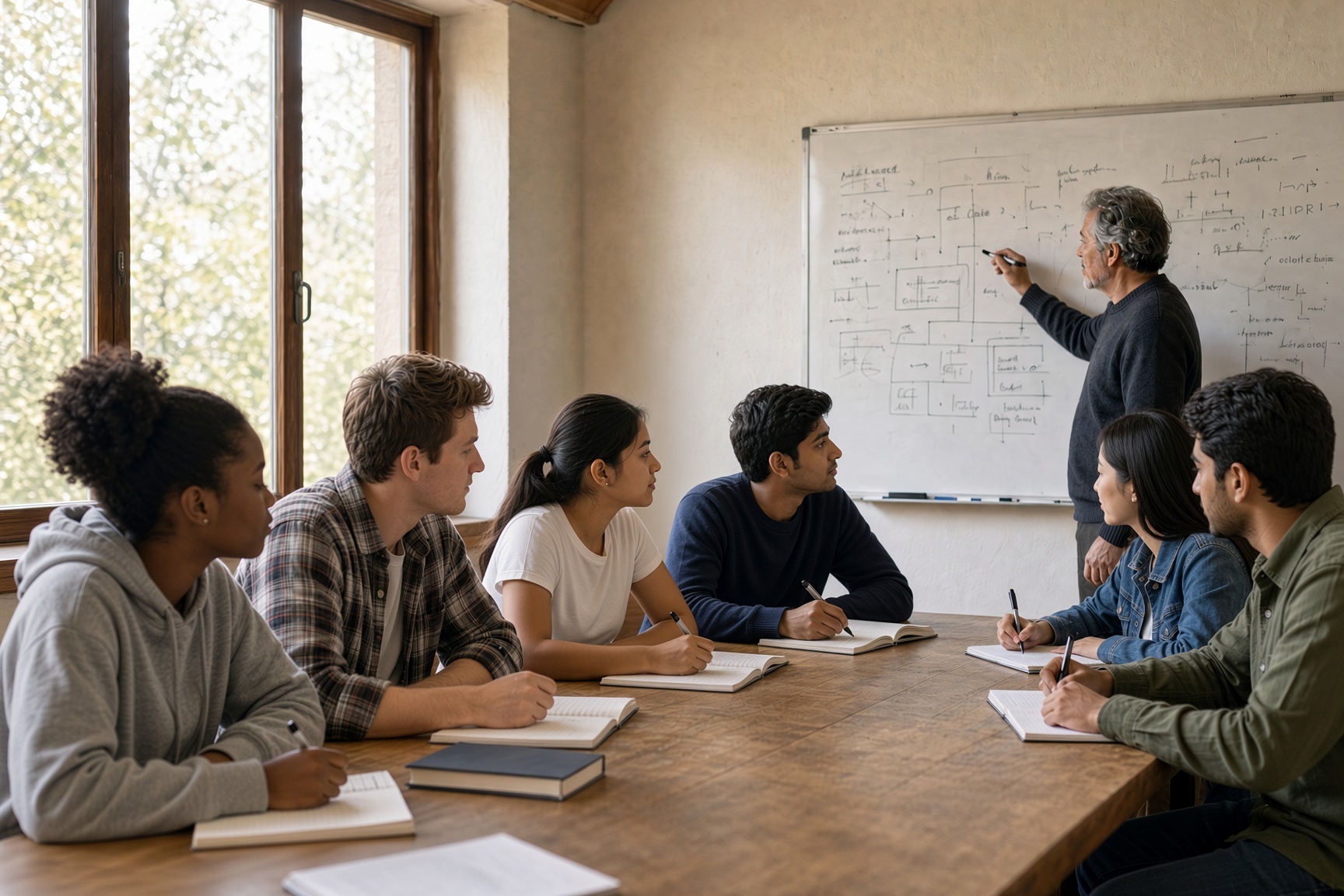
In a U.S. university classroom.
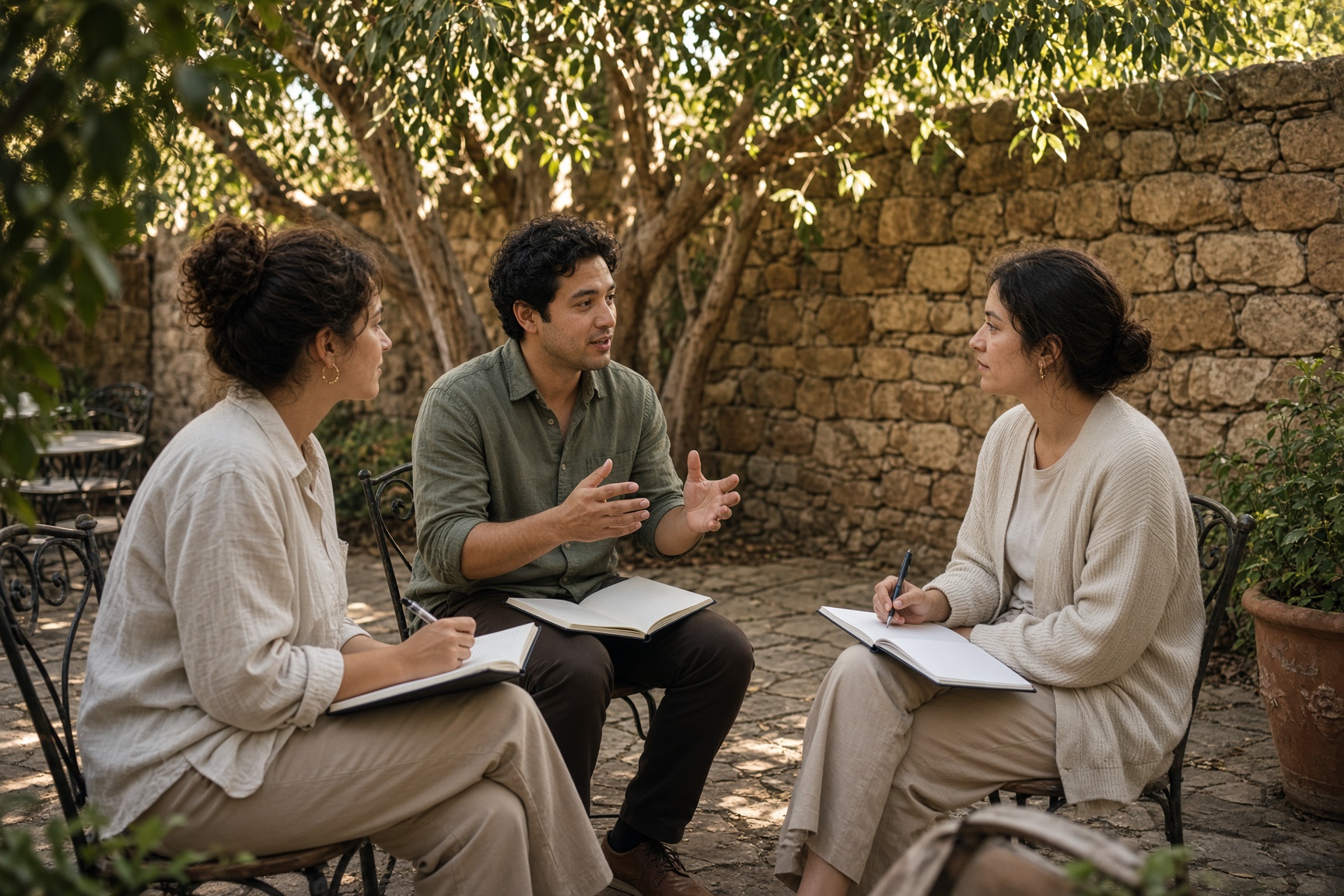
For overseas college students, not a campus tour. A cohort sits in classes taught by professors the host faculty already trusts, then spends the afternoon in a seminar that turns the lecture into something they can take home. The stay follows the classes, not a fixed number of days.
- Class seats arranged with the department, not a visitor gallery
- A seminar after class, led with the students in the room
- A short reading before each day, and notes the home college can keep
Classes
Mornings with a professor teaching their own course — the syllabus they already use, not a talk written for guests.
Seminars
Afternoons to argue with what they just heard, with a question written down before dinner.
The stay
Set by the course. Shorter or longer, for as long as the classes and seminars need.
03 · Talent
Develop the people who will carry it back.
A visit fails if only senior guests remember it. Talent development seats emerging educators, researchers, and program managers beside the senior cohort — with their own brief, a mentor, and a project they present on the last day. Residencies can stay short. The expectation does not.
- Mentoring circles during the host week
- A personal project tied to the home institution
- A ninety-day follow-up with the same mentor
04 · Innovation
Education innovation with a due date.
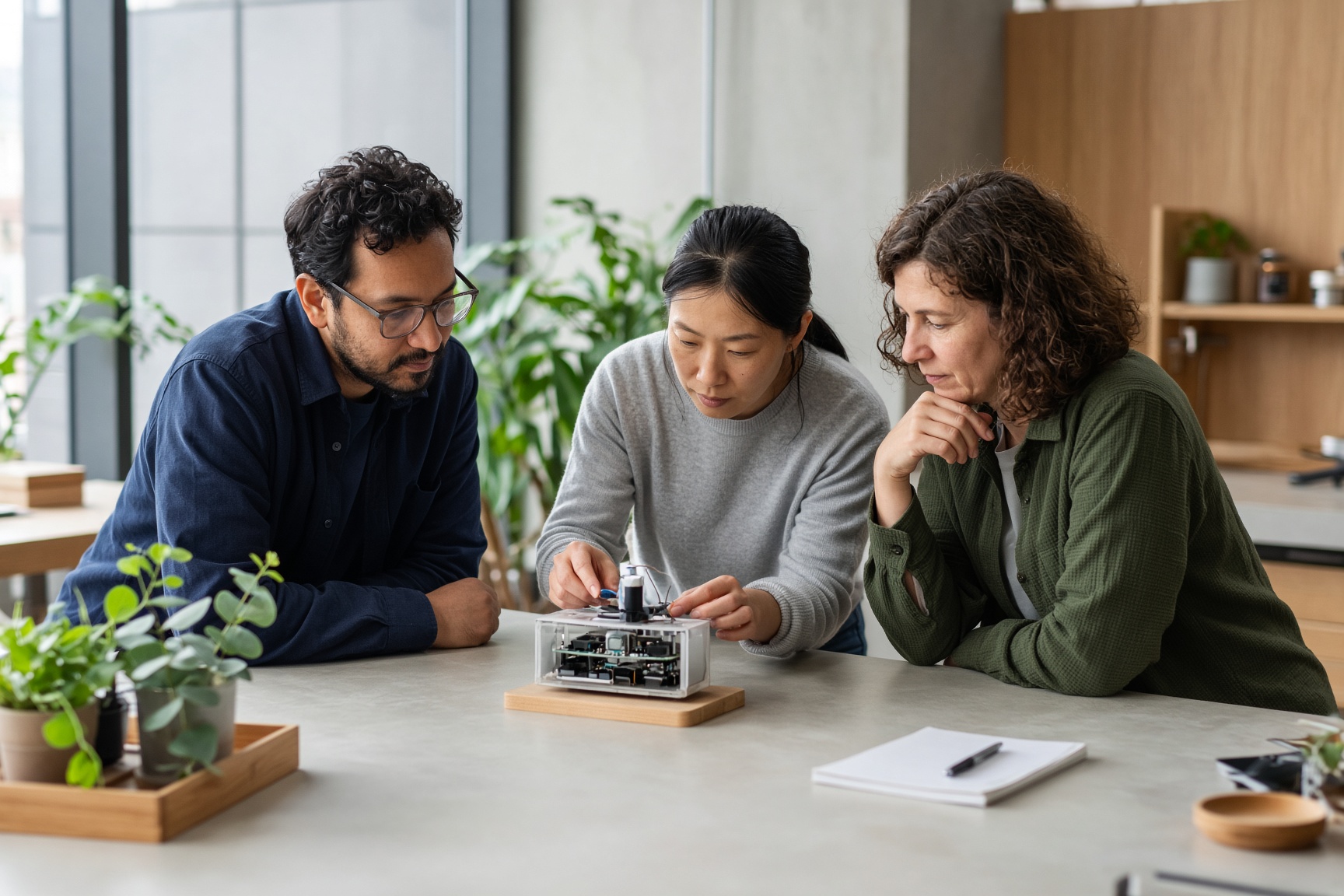
When a school system or university already knows the problem — a course that does not travel, an assessment no one trusts, a tool teachers will not open — we run a studio. The output is a prototype and a one-page operating note, not a strategy mural.
- A named problem, a named owner, a two-week window
- Teachers in the room, not only administrators
- Something the home team can pilot without us
How a visit unfolds
Five steps. No mystery middle.
Most programs run from first brief to return in eight to fourteen weeks. Urgent delegations can be tighter when the question is already sharp.
- 01
Scope
A one-page brief: who is traveling, what they need to learn, and what the home institution will do with it.
- 02
Match
We pair the cohort with hosts — classrooms, labs, studios, and peer leaders — not a generic tour list.
- 03
Design
An itinerary with learning goals, prep readings, and time to think. Logistics stay off the scholar’s desk.
- 04
Host
Five to ten days in the Bay Area. Conversations are structured. Evenings are for the cohort, not a banquet circuit.
- 05
Return
A written brief the home team can run, plus a check-in ninety days later to see what actually changed.
Stories
What was different when they went home.
A methods course that traveled back. A bureau that stopped collecting tours. Students who taught the seminar after they came home.
Who we sit with
- Overseas college studentsCohorts visiting U.S. universities for classes and seminars.
- Universities and collegesFaculties, international offices, and teaching centers.
- Ministries and school systemsOfficers responsible for teacher practice and curriculum.
- Research institutesTeams that need a working view of how ideas leave the lab.
- Learning companiesProduct and pedagogy leads building with educators, not around them.
- Sponsored scholarsIndividuals traveling with an institutional question and a sponsor.
Inquire
Tell us the question you are traveling with.
A short note is enough. A program officer reads every inquiry and replies with whether we are the right office — and, if we are, what a first brief would contain.
Silicon Valley Innovation & Development, Inc.
Palo Alto, California